
Current Food-Grade Liquid Nitrogen Price Trends and Updates
By:Admin
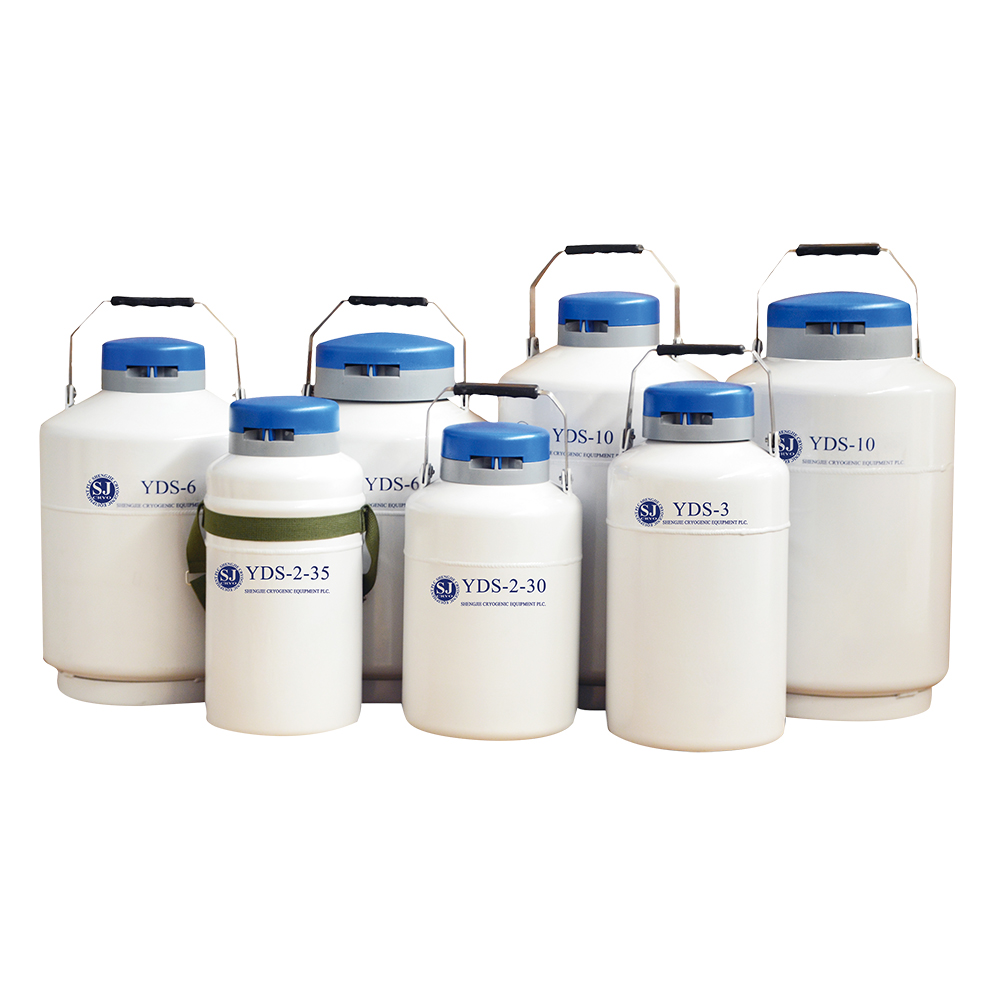
In recent months, the price of food-grade liquid nitrogen has seen a noticeable increase, influenced by multiple factors including rising production costs, supply chain challenges, and growing demand across various industries. This surge is drawing attention from food manufacturers, refrigeration companies, and other stakeholders who depend on this essential cryogenic coolant.
Food-grade liquid nitrogen, used extensively in the food processing and preservation industry, plays a critical role in flash freezing, packaging, and transportation of perishable goods. Unlike industrial-grade nitrogen, the food-grade variant is manufactured to stringent standards to ensure it meets the safety requirements for direct or indirect food contact, making it indispensable for maintaining food quality and extending shelf life.
**Market Dynamics Driving Price Adjustments**
The upward trend in prices can be attributed to several interlinked causes. First, the global increase in energy costs has directly impacted nitrogen production facilities. Producing liquid nitrogen involves significant electricity consumption as air is liquefied and separated into its constituent gases. With energy prices on the rise worldwide, production expenses have consequently escalated.
Second, supply chain disruptions have placed additional stress on availability. Shipping delays, raw material shortages, and transport bottlenecks have limited the flow of liquid nitrogen to end-users. These constraints have coincided with a peak season in sectors reliant on nitrogen, particularly the food industry, compounding the supply-demand imbalance.
Third, the expanding adoption of liquid nitrogen in innovative food technologies and emerging markets is fueling higher consumption. Beyond traditional freezing and storage, liquid nitrogen is now being utilized in modern culinary techniques such as molecular gastronomy, as well as in pharmaceutical and biotech sectors that require ultra-low temperature environments.
**Company Insights: A Leader in Cryogenic Solutions**
Amid these market shifts, companies specializing in cryogenic gases are adapting to meet evolving customer needs and ensure consistent supply. One such company, a global leader in industrial and specialty gases, has been pivotal in supplying food-grade liquid nitrogen to a broad customer base. They operate state-of-the-art air separation plants and maintain rigorous quality control systems to ensure purity and compliance with food safety standards.
The company emphasizes sustainability, investing in energy-efficient technologies to reduce the carbon footprint of their production processes. This aligns with the broader industry trend towards greener manufacturing and responsible resource management. Their logistics network is designed to navigate current supply chain challenges, offering reliable delivery schedules even amid fluctuating market conditions.
Furthermore, the company provides customized solutions tailored to the unique requirements of sectors utilizing liquid nitrogen. From large-scale food processors to niche biotech firms, their approach integrates technical support, storage infrastructure, and safety training to optimize usage and minimize waste.
**Impact on Food Industry and End Consumers**
The increase in liquid nitrogen prices does not occur in isolation but reverberates through the food production value chain. Food manufacturers may experience higher operational costs, which can translate to increased prices of frozen and refrigerated products on retail shelves. However, the benefits of using liquid nitrogen—such as superior preservation of taste, texture, and nutritional value—continue to support consumer demand for high-quality frozen foods.
Moreover, as producers seek cost containment strategies, some are exploring options to improve efficiency, such as upgrading insulation systems, optimizing freezing protocols, and negotiating long-term supply contracts to hedge against price volatility.
**Looking Ahead: Market Outlook and Innovations**
Industry analysts predict that the demand for food-grade liquid nitrogen will continue growing, driven by an increasing global population, rising preference for frozen convenience foods, and expansion of cold chain logistics in emerging economies. Technological advancements may further enhance production efficiency and purity levels, potentially stabilizing prices over the long term.
Companies in the sector remain focused on innovation, sustainability, and customer responsiveness. Enhanced monitoring systems, digital supply chain management, and collaborative partnerships are viewed as key enablers to navigate future challenges and capitalize on opportunities.
**Conclusion**
The rising price of food-grade liquid nitrogen reflects a complex interplay of factors shaping the cryogenic gas market. While costs are higher, the essential role that liquid nitrogen plays in food safety, quality preservation, and emerging applications ensures sustained demand. Industry leaders continue adapting through technology investments, efficiency improvements, and customer-centric services to meet market requirements and support the evolving food ecosystem. End consumers, in turn, benefit from ongoing advances that maintain the availability and quality of frozen and packaged food products worldwide.