Essential Safety Tips for Using Liquid Nitrogen Dewars
By:Admin
In today’s highly technical environments, liquid nitrogen dewars play a crucial role across various industries and research laboratories. These specialized containers are designed to store and transport liquid nitrogen at extremely low temperatures, often around -196°C, making them indispensable for applications ranging from cryopreservation to industrial cooling. However, the handling and maintenance of liquid nitrogen dewars demand rigorous safety protocols to prevent accidents and ensure the well-being of personnel. This article highlights essential safety measures for liquid nitrogen dewars, incorporating expert insights and industry best practices.
### Understanding Liquid Nitrogen Dewars
Liquid nitrogen dewars are vacuum-insulated flasks that minimize heat transfer, allowing liquid nitrogen to be stored for extended periods without rapid evaporation. Their design typically consists of a double-walled vessel with a vacuum between the walls, reducing thermal conductivity. They come in various sizes and capacities depending on the intended use, from small portable units for laboratory samples to large industrial tanks for medical and manufacturing purposes.
Despite their usefulness, liquid nitrogen dewars inherently pose certain risks due to the extremely low temperatures and the rapid evaporation of liquid nitrogen into nitrogen gas. This conversion increases the volume up to 700 times, potentially leading to oxygen displacement in confined spaces or pressure buildup inside the container.
### Key Safety Considerations
1. **Proper Ventilation:**
Liquid nitrogen evaporates quickly and expands as it turns into gas, which is colorless, odorless, and can displace oxygen in enclosed areas. It is crucial to use dewars in well-ventilated spaces to prevent oxygen deficiency, which can cause dizziness, unconsciousness, or even death.
2. **Use of Personal Protective Equipment (PPE):**
Handling liquid nitrogen requires suitable PPE including cryogenic gloves, safety goggles or face shields, and protective clothing. These prevent frostbite or cold burns caused by direct contact with the liquid or cold surfaces of the dewar.
3. **Secure Storage and Handling:**
Dewars should be kept upright and securely fastened during transport and storage to prevent tipping or spills. Always use appropriate trolleys or carriers designed for dewars, and never roll or drag them.
4. **Inspection and Maintenance:**
Regular inspection for cracks, dents, or faulty valves is essential for maintaining the integrity of the dewars. A compromised dewar can lead to leaks or pressure buildup, posing serious hazards.
5. **Avoiding Confined Spaces:**
Since nitrogen gas can cause asphyxiation by displacing oxygen, it is unsafe to use or store liquid nitrogen dewars in confined or unventilated areas. Oxygen sensors or alarms are recommended in enclosed environments.
6. **Pressure Relief Devices:**
Dewars are equipped with pressure relief valves to release excess pressure generated from nitrogen gas evaporation. Ensuring these devices are functioning properly prevents container rupture or explosions.
### Company Overview
[Company Name] stands at the forefront of liquid nitrogen dewar manufacturing and supply, offering high-quality products tailored for industrial, medical, and scientific applications. With decades of expertise, the company prioritizes safety and innovation, providing dewars designed with advanced vacuum insulation technology, robust pressure relief systems, and ergonomic handling features. Their commitment to rigorous quality control and customer education ensures clients receive not just equipment, but a comprehensive understanding of safe operational procedures.
### Industry Applications and Safety Enhancements
Industries relying heavily on liquid nitrogen dewars include healthcare facilities for cryogenic preservation of biological samples, food processing plants for rapid freezing, electronics companies for superconductive cooling, and research institutions conducting low-temperature experiments.
To enhance safety across these varied applications, [Company Name] offers customized training programs and detailed instructional materials. These resources address common hazards, emergency response actions, and maintenance schedules to minimize the risk of accidents. Furthermore, their dewars are developed to meet stringent international safety standards, incorporating features such as insulated venting and structural reinforcements.
### Case Studies and Incident Prevention
Real-world incidents involving liquid nitrogen dewars often stem from improper handling or inadequate ventilation. For instance, enclosed laboratory areas without proper air monitoring have experienced oxygen displacement, leading to emergency evacuations. These events underscore the critical need for safety protocols and equipment designed to mitigate risks.
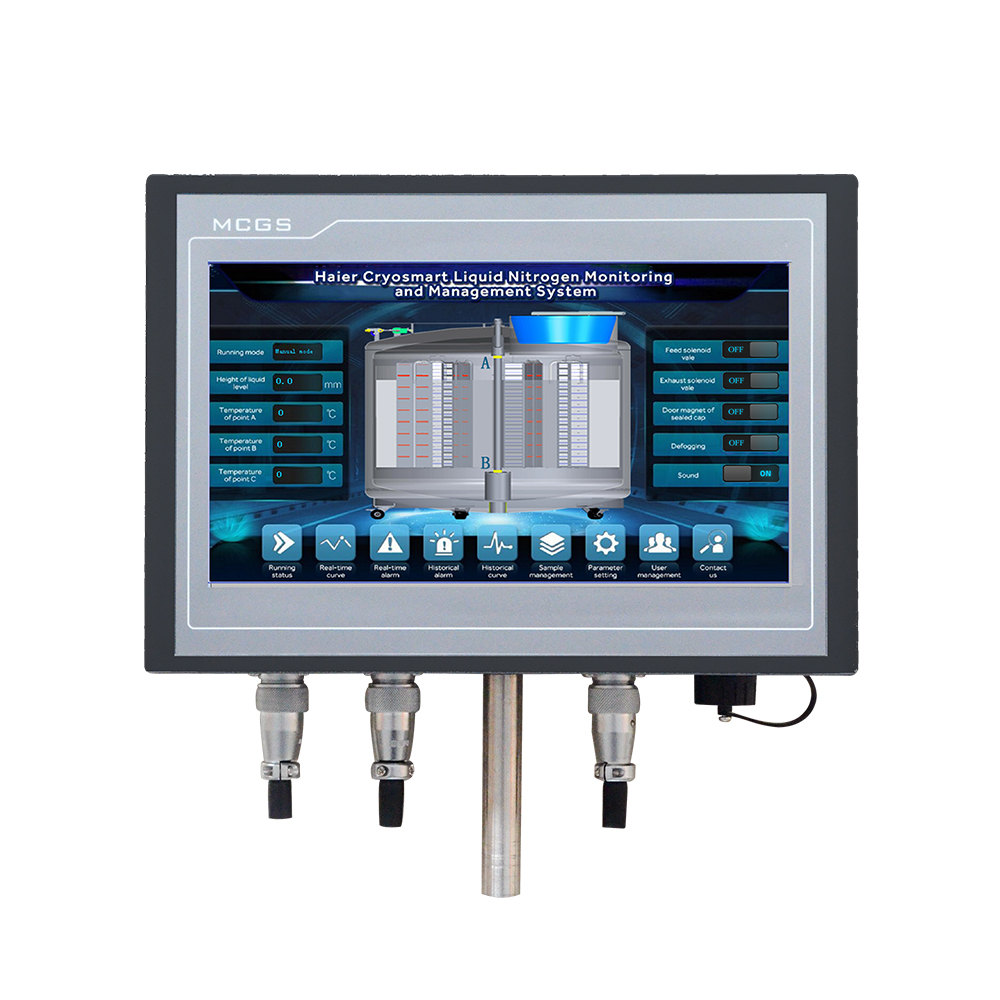
[Company Name] collaborates with clients to implement comprehensive safety audits and evaluates workplace environments to tailor dewar solutions best suited to specific operational needs. By integrating smart sensors and remote monitoring systems, the company enhances oversight, allowing early detection of leaks or pressure anomalies.
### Looking Ahead: Innovations in Liquid Nitrogen Dewar Safety
As technological demands evolve, continuous improvement in dewar safety is paramount. Current innovations focus on improving thermal performance to reduce nitrogen boil-off, integrating digital pressure and temperature monitoring, and developing lightweight, durable materials to ease handling.
[Company Name] is actively investing in research and development to incorporate these advancements. Their goal is to provide safer, more efficient dewars that reduce environmental impact and operational costs while maintaining the highest safety standards.
### Conclusion
Liquid nitrogen dewars remain indispensable tools across scientific and industrial realms, but their safe use requires stringent protocols and quality equipment. Proper ventilation, protective gear, secure handling, and maintenance are non-negotiable aspects of liquid nitrogen safety. As a leading provider in this sector, [Company Name] exemplifies best practices by coupling innovative product design with comprehensive safety education.
By adopting these safety measures and leveraging expert solutions, organizations can harness the full benefits of liquid nitrogen dewars while safeguarding personnel and assets. The ongoing commitment to safety and innovation ensures that liquid nitrogen storage and use continue to meet the highest standards in an array of critical applications.
---
*For more information on liquid nitrogen dewar safety, product offerings, and training programs, please contact [Company Name] or visit their official website.*