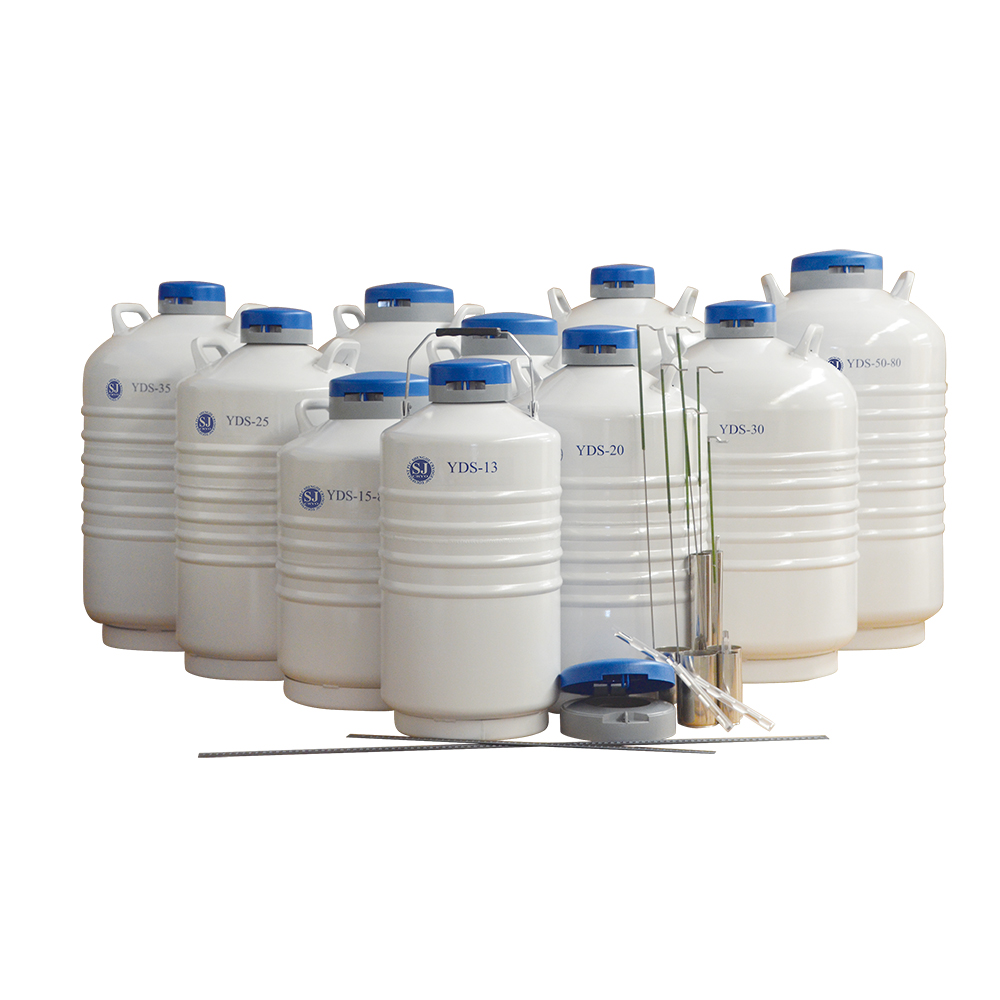
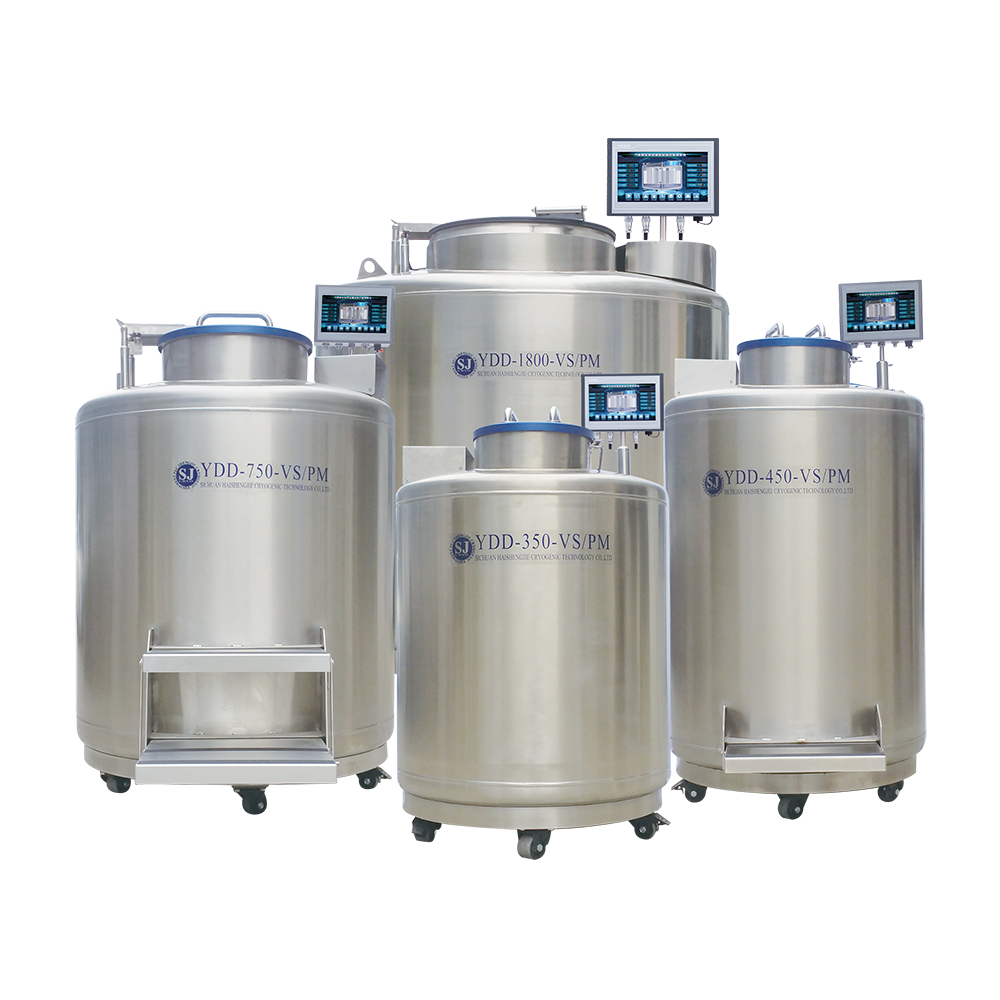
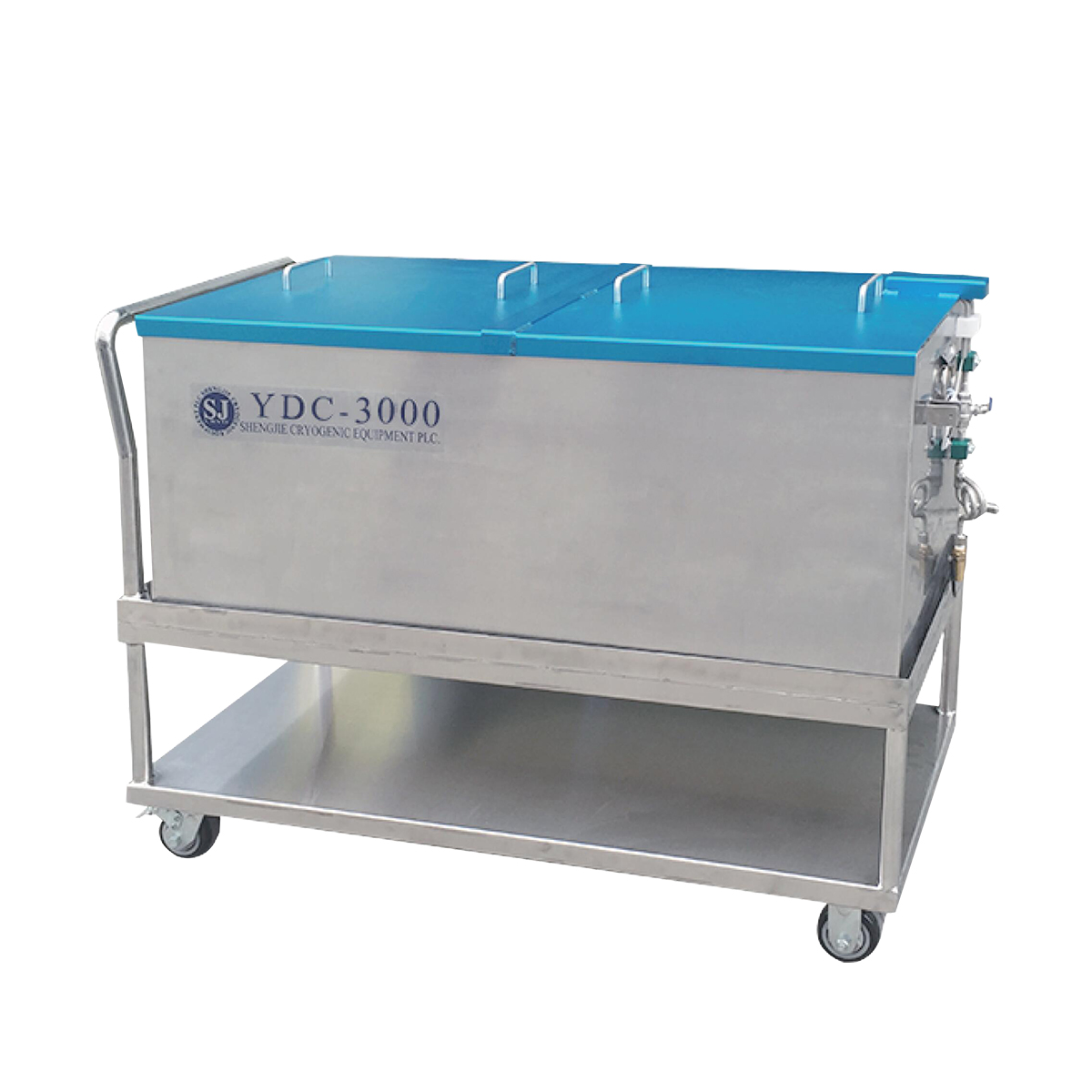
**China Advances Cryogenic Liquid Tank Technology to Boost Industrial Applications**In a significant leap for China's industrial and technological sectors, advancements in cryogenic liquid tank technology have been making waves, promising to enhance storage and transportation of liquefied gases essential for various industries. Cryogenic liquid tanks, critical for maintaining ultra-low temperatures required to store substances such as liquefied natural gas (LNG), liquid oxygen, and liquid nitrogen, are witnessing innovative developments that underscore China's commitment to self-reliance and cutting-edge engineering.### Enhancing Cryogenic Storage SolutionsCryogenic liquid tanks are specialized containers designed to hold liquefied gases at extremely low temperatures, often below -150°C. These tanks find widespread applications across energy, medical, and chemical industries—supporting everything from clean energy infrastructure to medical oxygen supplies. The recent breakthroughs in cryogenic tank manufacturing in China reflect improved materials, insulation techniques, and safety features, designed to ensure stability, durability, and operational efficiency.Key to these advancements is the implementation of multi-layer insulation and vacuum technology, which greatly minimize heat transfer, thus preserving the low temperatures necessary for cryogenic fluids. Also, innovations in lightweight yet robust structural materials contribute to enhanced mobility and ease of transportation, which is pivotal for both domestic distribution and international export logistics.### Meeting Growing Demand Across SectorsChina’s expanding energy needs and industrial diversification drive demand for advanced cryogenic storage solutions. LNG, heralded as a cleaner alternative to coal and oil, necessitates reliable cryogenic tanks for infrastructure projects supporting liquefied gas delivery. The rollout of these new tanks fortifies China’s strategic push towards greener energy, aiding in the reduction of carbon emissions.Similarly, the healthcare sector’s reliance on medical oxygen has surged globally, especially amid the COVID-19 pandemic. Enhanced cryogenic tanks ensure a steady and safe supply of liquid oxygen. Chemical manufacturing and food preservation industries also benefit from improvements in cryogenic storage capacity and safety.### Company Profile: A Leading Innovator in Cryogenic Technology[Company Name] (name omitted) stands at the forefront of China’s cryogenic liquid tank innovation. Established with a vision to revolutionize storage and transportation technologies, the company leverages decades of expertise, integrating state-of-the-art research and manufacturing capabilities.The company specializes in designing, producing, and servicing a diverse range of cryogenic containers, including vacuum-insulated tanks, portable dewars, and large-scale storage vessels. Its comprehensive portfolio caters to sectors such as energy, medical, aerospace, and industrial gases, reflecting versatility and adaptability.With a commitment to quality and safety, the company strictly adheres to international standards and certifications, ensuring products endure rigorous testing protocols. It incorporates advanced automation and precision engineering in production lines, enhancing product reliability and efficiency.### Domestic and Global ImpactThe innovation in cryogenic liquid tanks spearheaded by this leading Chinese manufacturer has substantial implications. Domestically, it strengthens China’s industrial infrastructure, reduces dependency on imported technologies, and stimulates the high-tech manufacturing ecosystem.Internationally, the company’s products are exporting Chinese technological prowess, gaining recognition in global markets where safety, cost-effectiveness, and durability are paramount. Collaborations and partnerships with foreign enterprises further amplify technology exchange and market penetration, positioning China as a key player in the cryogenics industry.### Future OutlookThe trajectory of cryogenic liquid tank technology in China signals a promising future. The ongoing integration of smart monitoring systems and IoT-enabled devices promises real-time management of storage conditions, boosting efficiency and safety.Moreover, environmental sustainability remains a core focus, with research underway to develop eco-friendly insulation materials and energy-saving production techniques. These efforts align with China’s broader environmental goals and global commitments to carbon neutrality.As industrial demands evolve and technology advances, China’s cryogenic liquid tank industry is poised not only to support national development but also to contribute significantly to global industrial and environmental progress.---In conclusion, the strides made in cryogenic liquid tank technology reflect China’s dynamic approach to innovation and industrial modernization. Through the dedication of leading enterprises and strategic technological investments, cryogenic storage solutions are becoming more efficient, reliable, and globally competitive, marking a new chapter in China's industrial achievements.
Read More