Liquid Nitrogen Bottle Sizes: A Complete Guide
By:Admin
As industries increasingly rely on cryogenic technologies for various applications—from medical and laboratory uses to food preservation and industrial processes—the demand for efficient and adaptable liquid nitrogen storage solutions continues to grow. Central to meeting this demand is the availability of liquid nitrogen bottles in a range of sizes, tailored to diverse operational needs.
Liquid nitrogen, with its boiling point at -196°C, serves as a critical coolant and preservative agent across multiple sectors. Proper storage and transport of this ultra-cold liquid require specialized containers known as liquid nitrogen bottles or dewars. These containers are designed to maintain extremely low temperatures while minimizing nitrogen loss through evaporation.
**Variety in Liquid Nitrogen Bottle Sizes**
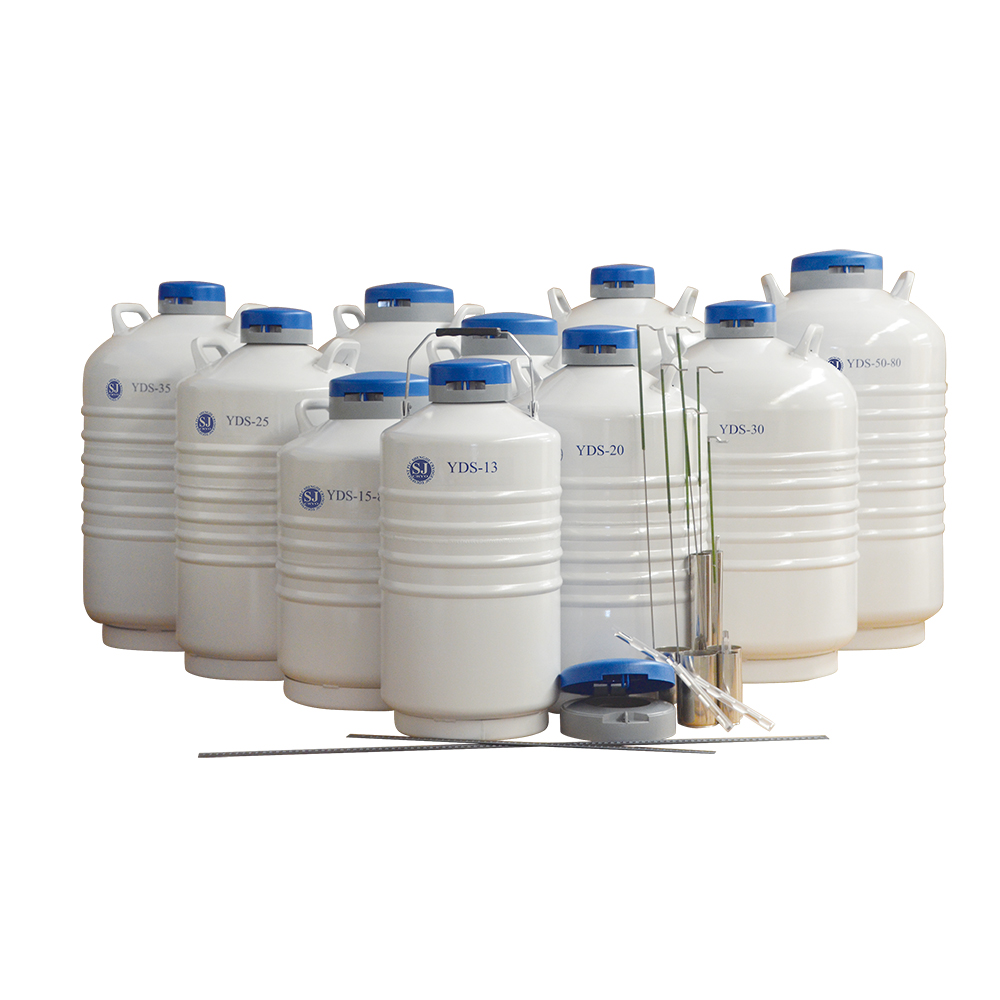
One of the key factors determining the suitability of a liquid nitrogen bottle is its size and capacity. Liquid nitrogen bottles come in various sizes, typically ranging from small-scale portable units of a few liters to large-scale dewars capable of holding several hundred liters.
Small liquid nitrogen bottles, often ranging from 1 to 10 liters, are highly favored in laboratory settings and medical facilities. Their portability allows researchers, healthcare professionals, and technicians to safely store and transport biological samples, such as blood, tissues, and vaccines, ensuring their integrity through cryopreservation.
Mid-sized bottles, with capacities between 20 and 80 liters, offer a balance between portability and volume. These are widely used in research institutions, hospitals, and industrial workshops, where a steady but manageable supply of liquid nitrogen is essential for routine operations.
For heavy industrial and large-scale scientific applications, large liquid nitrogen dewars with capacities exceeding 100 liters provide the volume necessary to sustain extended cooling processes without frequent refilling. These large containers are highly insulated to minimize evaporation losses, ensuring cost-efficiency and reliability.
**Features and Considerations for Choosing Liquid Nitrogen Bottles**
Selecting the appropriate liquid nitrogen bottle involves assessing more than just capacity. Factors such as storage duration, portability, insulation quality, and safety features must be considered.
- **Thermal Insulation:** High-performance vacuum insulation is a standard feature in quality liquid nitrogen bottles, designed to reduce heat transfer and slow nitrogen evaporation.
- **Durability and Material:** Typically constructed from stainless steel or specialized aluminum alloys, the bottles are engineered to withstand extreme temperatures and mechanical stresses during handling.
- **Safety Features:** Given the hazards associated with cryogenic liquids, bottles often include pressure relief valves, secure neck rings, and handles or trolleys for safe transportation.
- **Ease of Filling and Dispensing:** User-friendly neck designs and valves facilitate efficient filling from bulk tanks and precise dispensing during use.
**Market Trends and Innovations**
In recent years, manufacturers have focused on enhancing the efficiency and user experience of liquid nitrogen bottles. Innovations include improved insulation materials that extend the hold time—meaning the duration the nitrogen remains in liquid form—thereby reducing operational costs and downtime.
Additionally, ergonomic designs facilitate safer and easier handling, especially for larger bottles, incorporating features such as molded grips, wheels, and stable bases. Integration of monitoring systems that track liquid levels and pressure is also becoming more common, enabling better inventory management.
**Industry Applications Driving Demand**
The versatility of liquid nitrogen is reflected in its widespread use. In healthcare, cryopreservation of biological samples and cryosurgery procedures rely on reliable supply and storage of liquid nitrogen. Laboratories use it for cooling superconductors, cooling infrared detectors, and preserving samples long-term.
The food industry utilizes liquid nitrogen in flash freezing processes that enhance product quality and shelf life. Manufacturing sectors employ it for shrink fitting of metal parts and cryogenic grinding. Furthermore, environmental labs and pharmaceutical companies depend on tailored liquid nitrogen bottles to maintain sample integrity and ensure regulatory compliance.
**A Snapshot of the Company Behind the Solutions**
[Company Introduction Placeholder: Insert Company Overview Here]
As a leading provider specializing in cryogenic storage and handling solutions, the company offers an extensive range of liquid nitrogen bottles varying in size and capacity to meet the needs of diverse industries. Leveraging cutting-edge technology and stringent quality standards, the company ensures that its products deliver superior thermal insulation, durability, and safety. Through continuous innovation and customer-centric service, the company remains at the forefront of cryogenic equipment manufacturing, supporting clients worldwide in their quest for excellence.
**Conclusion**
Understanding the various liquid nitrogen bottle sizes and their unique features is vital for industries dependent on cryogenic technology. From small portable bottles for medical applications to large dewars for industrial use, selecting the right container is crucial for operational efficiency and safety.
As technological advancements continue to enhance the performance and usability of liquid nitrogen bottles, industries are better equipped than ever to harness the benefits of cryogenics. Together with expert suppliers and manufacturers, stakeholders can ensure that their cryogenic needs are met with reliable, effective, and customizable storage solutions.
For companies and institutions seeking dependable liquid nitrogen bottles, staying informed about size options and innovations is key to optimizing their cryogenic processes and achieving superior outcomes.